
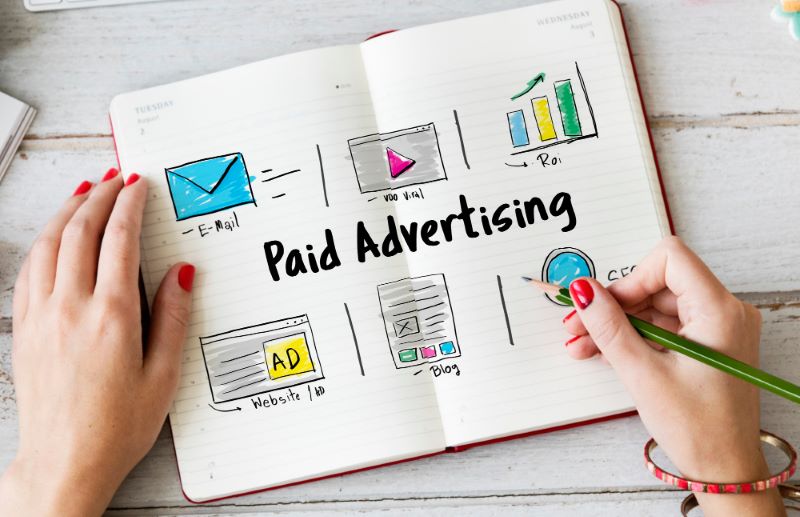
The Biggest Digital Advertising Mistakes Businesses Make and How to Avoid Costly Campaign Problems Before They Affect Results. Digital advertising has become one of the most powerful tools for businesses seeking to connect with modern consumers in an increasingly competitive online environment. From search engines and social media platforms to video streaming services and mobile applications, brands now have more opportunities than ever to reach highly targeted audiences. As consumer behaviour continues to shift towards digital channels, businesses of all sizes are investing in digital advertising to increase visibility, generate leads, and drive measurable business growth.
In recent years, advancements in artificial intelligence, automation, audience targeting, and data analytics have transformed how advertising campaigns are planned and managed. Major platforms such as Google, Meta, LinkedIn, TikTok, and Microsoft continue to introduce new advertising features designed to improve campaign performance and user engagement. Understanding how digital advertising works, the latest industry trends, and the strategies that deliver sustainable results has become essential for marketers, entrepreneurs, and organisations looking to remain competitive in 2026 and beyond.
The Biggest Digital Advertising Mistakes Businesses Make and How to Avoid Costly Campaign Problems Before They Affect Results
In today’s competitive landscape, digital advertising has become essential for businesses seeking growth and visibility. With global digital ad spend projected to surpass $740 billion in 2026, representing around 73% of total media investment, companies are pouring significant resources into online campaigns. Yet many still struggle to achieve meaningful returns, often repeating the same pitfalls that drain budgets and damage reputations.
The rapid evolution of platforms, algorithms, and consumer expectations makes digital advertising both powerful and unforgiving. What worked last year may fall flat today, especially with the rise of AI-driven tools, privacy changes, and shifting user behaviours. Businesses that fail to adapt risk not just wasted spend but lost opportunities to connect authentically with their audiences.
This article explores the most common and costly mistakes in digital advertising, drawing from recent insights across industry reports and real-world examples. By understanding these issues early, you can protect your campaigns and build strategies that deliver sustainable results.
Whether you’re a small business owner or part of a larger marketing team, recognising these challenges empowers smarter decisions. Let’s examine the key errors and practical ways to avoid them before they impact your bottom line.
Ignoring Audience Research and Targeting
One of the foundational errors in digital advertising is launching campaigns without a deep understanding of the target audience. Many businesses rely on broad assumptions or generic demographics rather than data-driven personas.
- Conduct thorough market research using analytics tools and customer surveys.
- Develop detailed buyer personas that include behaviours, pain points, and preferences.
- Use platform-specific targeting options like lookalike audiences or interest-based segments.
- Regularly refine targeting based on performance data rather than setting it once and forgetting it.
- Test different audience segments with smaller budgets before full rollout.
Failing to target precisely leads to irrelevant impressions, low engagement, and poor conversion rates. For instance, broad targeting can inflate costs without delivering qualified leads. In 2025-2026, with increasing competition and AI-optimised bidding, precision targeting has become even more critical for maintaining efficiency.
Businesses that invest time here often see significantly better ROI. Personalisation based on real insights helps create resonant messaging, fostering trust and higher response rates.
Neglecting Mobile Optimisation
With mobile traffic dominating in many sectors, overlooking mobile-friendly experiences is a frequent and expensive mistake in digital advertising.
- Ensure landing pages load quickly on mobile devices (aim for under 3 seconds).
- Use responsive design for all ad creatives and websites.
- Test campaigns across various devices and screen sizes.
- Prioritise vertical video formats for social platforms.
- Monitor mobile-specific metrics like bounce rates and conversion paths.
Recent statistics highlight that a substantial portion of paid search impressions come from mobile, yet many campaigns underperform due to poor optimisation. Users expect seamless experiences; anything less results in immediate exits.
This issue compounds with rising short-form video consumption. Adapting to mobile-first realities is no longer optional but essential for reaching audiences effectively in 2026.
Over-Reliance on Paid Advertising Without Organic Balance
Some businesses treat digital advertising as a quick fix, pouring all resources into paid channels while neglecting organic efforts.
- Combine paid campaigns with strong SEO and content marketing.
- Build email lists and nurture existing customers for better retention.
- Use paid ads to amplify proven organic content.
- Diversify across channels to reduce dependency on any single platform.
- Track the interplay between paid and organic traffic for holistic insights.
Exclusive reliance on paid ads makes businesses vulnerable to rising costs and algorithm changes. Organic strategies provide sustainable visibility that persists even if ad budgets fluctuate.
A balanced approach maximises long-term value. For example, remarketing to engaged organic visitors can boost conversions cost-effectively.
Failing to Set Clear Goals and Measure Performance
Launching campaigns without defined objectives or proper tracking ranks among the top mistakes, leaving businesses unable to gauge success accurately.
- Define SMART (Specific, Measurable, Achievable, Relevant, Time-bound) goals upfront.
- Implement robust tracking with tools like Google Analytics or platform pixels.
- Focus on meaningful metrics such as conversion rate, customer acquisition cost (CAC), and lifetime value (LTV) rather than vanity metrics like impressions.
- Review performance regularly and adjust in real time.
- Calculate true ROI by including all associated costs.
Without measurement, campaigns operate in the dark. Many overlook the difference between ROAS (Return on Ad Spend) and overall ROI, leading to misguided decisions.
Data-driven optimisation separates successful campaigns from failures. Regular analysis reveals what works, enabling continuous improvement.
Poor Creative and Ad Fatigue
Even well-targeted campaigns fail if the creatives are uninspiring or overused.
- Rotate ad creatives frequently to combat fatigue.
- Invest in high-quality, relevant visuals and compelling copy.
- A/B test headlines, images, and calls-to-action.
- Align messaging with brand values and audience expectations.
- Incorporate user-generated content or authentic storytelling where appropriate.
Ad fatigue occurs when audiences see the same ads repeatedly, leading to declining performance. Fresh, engaging creatives maintain interest and improve results.
Examples from major brands show how tone-deaf or irrelevant creatives can backfire spectacularly, harming reputation alongside campaign metrics.
Underestimating the Role of Data Privacy and Compliance
With evolving regulations, ignoring privacy concerns can lead to penalties and loss of trust.
- Stay updated on laws like GDPR and emerging privacy frameworks.
- Prioritise first-party data collection ethically.
- Use consent-based targeting and transparent practices.
- Audit third-party tools for compliance.
- Build trust through clear privacy policies and value exchange.
Privacy-focused advertising is increasingly important. Businesses that adapt early gain a competitive edge by fostering stronger customer relationships.
Misusing or Over-Relying on AI Tools
While AI offers tremendous potential in digital advertising, blind reliance without human oversight creates problems.
- Use AI for tasks like audience insights, creative variations, and optimisation.
- Always review AI-generated content for brand alignment and accuracy.
- Combine AI efficiency with human creativity and strategy.
- Monitor for biases in automated targeting.
- Test AI recommendations against real performance data.
Trends in 2026 show widespread AI adoption for scaling creatives and bidding, but success depends on strategic integration rather than full automation.
Ignoring Customer Retention in Favour of Acquisition
Focusing solely on new customers while neglecting existing ones is shortsighted.
- Implement loyalty programmes and personalised follow-ups.
- Use remarketing to re-engage past visitors.
- Measure retention metrics alongside acquisition.
- Create post-purchase experiences that encourage advocacy.
- Analyse churn reasons to refine campaigns.
Retention is often more cost-effective than constant acquisition. Strong relationships drive repeat business and referrals.
Lack of Testing and Iteration
Many campaigns launch without sufficient testing, missing opportunities for refinement.
- Run A/B or multivariate tests on key elements.
- Start with small budgets for learning phases.
- Use heatmaps and user feedback tools.
- Iterate based on data rather than assumptions.
- Document learnings for future campaigns.
Continuous testing drives incremental gains that compound over time.
Inconsistent Branding and Messaging Across Channels
Fragmented experiences confuse audiences and weaken impact.
- Maintain consistent visuals, tone, and messaging.
- Align campaigns with overall brand strategy.
- Coordinate efforts across platforms for a unified journey.
- Use cross-channel tracking to understand full customer paths.
- Regularly audit touchpoints for coherence.
Consistency builds recognition and trust in a fragmented digital world.
Table: Common Digital Advertising Metrics and Benchmarks (Approximate 2025-2026 Insights)
| Metric | Typical Benchmark | Why It Matters |
|---|---|---|
| Average Digital Ad ROI | 5:1 or higher | Indicates overall profitability |
| Search Ads ROI | Around 200% | High-intent traffic driver |
| Mobile Traffic Share | Often >50-70% | Necessitates mobile-first design |
| Programmatic CPA Reduction | Up to 30% with optimisation | Efficiency in automated buying |
| Customer Retention Focus | Lower CAC than new acquisition | Sustainable growth lever |
These figures vary by industry but underscore the importance of tracking and context.
Real-world examples illustrate the stakes. Campaigns like certain high-profile AI-generated ads or tone-deaf social promotions in recent years highlight how missteps in relevance or sensitivity can lead to backlash. Learning from such cases emphasises thorough pre-launch reviews and cultural awareness.
By addressing these mistakes proactively, businesses can transform their digital advertising efforts from costly experiments into reliable growth engines. The key lies in preparation, measurement, and adaptability—qualities that respect both business goals and human audiences.
FAQ
1. What is the biggest mistake in digital advertising? Many experts point to poor audience targeting or lack of clear goals as primary issues, as they undermine the entire campaign from the start.
2. How can small businesses compete in digital advertising? Focus on niche targeting, high-quality creatives, consistent testing, and balancing paid efforts with organic strategies. Leverage free or low-cost analytics tools effectively.
3. Does AI replace human input in digital ads? No. AI excels at scaling and optimisation but works best alongside human strategy, creativity, and ethical oversight to ensure relevance and brand alignment.
4. How often should I review my digital advertising campaigns? Regular monitoring (weekly for active campaigns) with deeper reviews monthly allows timely adjustments while tracking longer-term trends.
5. What role does content play in avoiding advertising mistakes? Strong, valuable content supports ads, improves engagement, and builds trust. It helps bridge paid traffic to meaningful conversions.
Conclusion
The Biggest Digital Advertising Mistakes Businesses Make and How to Avoid Costly Campaign Problems Before They Affect Results
Digital advertising offers immense potential, but success demands vigilance against common pitfalls. By prioritising research, measurement, balance, and ethical practices, businesses can avoid costly errors and create campaigns that truly resonate. Staying informed with the latest trends—such as responsible AI use and privacy-first approaches—ensures relevance in a fast-changing environment.
The most effective strategies treat audiences as people first, not just data points. This humanistic approach not only drives better results but also builds lasting brand value.
Ready to elevate your digital advertising and avoid these pitfalls? Partner with experts who understand the nuances of modern campaigns. Visit Anavrin Media at https://anavrin.media today to discuss tailored strategies that deliver real results for your business.

Anavrin Media Team is a group of writers, researchers, and editors focused on delivering high-quality content across digital marketing, advertising, SEO, SEM, affiliate marketing, content creation, email marketing, social media strategy, video marketing, programming, and online events. Through in-depth research, industry analysis, and practical insights, we help professionals, entrepreneurs, marketers, and creators navigate the latest trends, tools, and opportunities in the digital economy.