
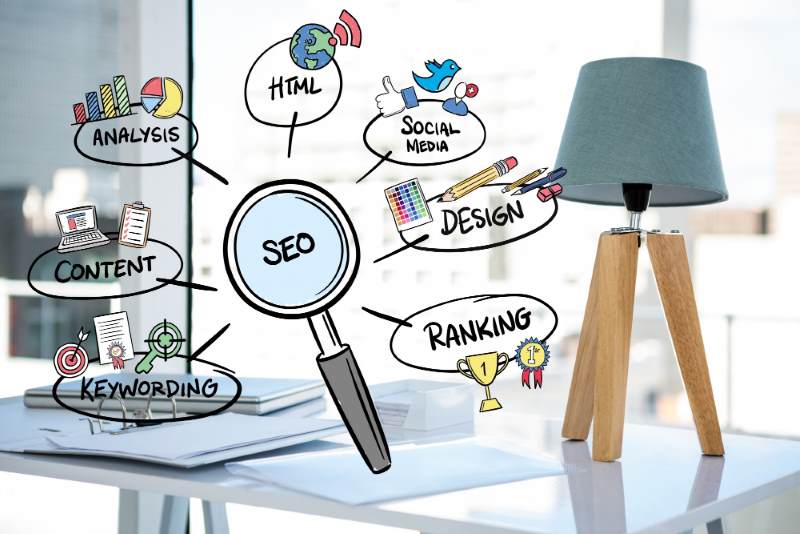
How the Right SEO Tools Can Help You Beat Bigger Websites in Search Results. Search engine optimisation can feel complicated when you are trying to understand keywords, rankings, competitors, technical issues, and content performance all at once. Fortunately, SEO tools can make the process much easier by providing useful information that helps you understand what is happening on your website and in search results.
The right SEO tools can help you discover valuable keywords, analyse competitors, identify technical problems, monitor rankings, and understand how visitors find your content. Instead of relying entirely on guesswork, you can use real data to make better decisions and create a more focused SEO strategy.
However, choosing the right tools can be challenging, especially for beginners. There are countless platforms available, and each one offers different features, pricing options, and levels of complexity. Some are designed for keyword research, while others focus on backlinks, technical SEO, content optimisation, or website analytics.
Using SEO tools effectively is not simply about finding the tool with the longest list of features. The most useful option depends on your goals, experience, website size, and SEO priorities. A beginner may need a straightforward platform, while an experienced marketer might benefit from more advanced reporting and competitor analysis.
The good news is that you do not need to master every SEO tool available. Learning how a few reliable tools work can already provide valuable insights into how your website performs and where improvements may be possible. With the right approach, even small websites can identify opportunities to improve their visibility and attract more relevant visitors.
In this guide, we will explore SEO tools that can help make search optimisation more practical and manageable. Whether you are a beginner, content creator, website owner, or digital marketer, understanding what these tools can do may help you discover new opportunities and build a smarter SEO strategy.
How the Right SEO Tools Can Help You Beat Bigger Websites in Search Results
In today’s competitive digital landscape, smaller websites often feel outmatched by larger brands with bigger budgets, stronger domain authority and vast content libraries. Yet the gap is narrower than many assume. With the strategic use of the right SEO tools, agile sites can identify gaps, target underserved queries and outmanoeuvre established players in search results.
Search engines continue to reward relevance, user intent and technical excellence over sheer size. Modern SEO tools provide the data and automation that level the playing field, turning limited resources into precise advantages. From competitor analysis to AI-assisted content optimisation, these platforms reveal opportunities that bigger websites frequently overlook.
This article explores how the right combination of SEO tools enables smaller sites to climb rankings, capture traffic and build sustainable visibility. Drawing on current industry insights and practical strategies, it shows why smart tool selection and disciplined application matter more than budget size alone.
Understanding the Competitive Reality in Search
Larger websites typically enjoy advantages in backlink profiles, brand recognition and content volume. They rank for broad head terms because of historical authority and extensive internal linking. However, search behaviour has shifted. Users increasingly seek specific answers, long-tail queries and local or niche solutions. AI-generated overviews and zero-click results further fragment traditional traffic, creating openings for focused sites that deliver precise value.
Credible industry analyses highlight that domain authority alone no longer guarantees dominance. Tools that surface keyword gaps, content weaknesses and technical issues allow smaller operators to prioritise high-impact work. Platforms such as Ahrefs, Semrush and SE Ranking consistently rank among the most recommended for competitive research because they expose exactly where bigger sites underperform.
The key is not matching the scale of enterprise operations but exploiting differences in focus. Bigger brands often prioritise high-volume keywords and broad topics. Smaller sites can dominate narrow intent, question-based queries and emerging trends that larger teams move more slowly to address.
How SEO Tools Reveal Hidden Opportunities
Effective SEO tools function as intelligence systems. They analyse competitor rankings, backlink profiles, content performance and technical health at scale. This data turns guesswork into strategy.
Keyword research remains foundational. Tools uncover long-tail variations, related questions and low-competition phrases that larger sites ignore. For instance, instead of battling for “SEO tools”, a smaller site might target “best SEO tools for solo consultants” or “affordable SEO tools for local service businesses”. These phrases carry clearer intent and lower difficulty scores, making ranking realistic.
Competitor analysis features in leading platforms show which pages drive the most traffic for rivals, which keywords they rank for but you do not, and where their content falls short. Content gap analysis is particularly powerful. By comparing your site against top performers, you can identify missing subtopics, outdated information or thin coverage that readers still seek. Filling those gaps with superior, more useful content frequently results in ranking wins.
Backlink data provides another decisive edge. Tools map the link profiles of successful pages, revealing outreach targets and partnership opportunities. Smaller sites can pursue high-quality, relevant links in niches where larger brands have not saturated the landscape. Historical data and link intersect features accelerate this process by highlighting sites that already link to multiple competitors but not yet to you.
Technical SEO tools complete the picture. Site audits flag crawl errors, slow pages, mobile usability issues and indexing problems that can suppress rankings regardless of content quality. Free options such as Google Search Console remain essential for first-party performance data, while desktop crawlers like Screaming Frog deliver deep technical insight even on limited budgets.
Selecting the Right SEO Tools for Competitive Advantage
Not every tool suits every situation. The most effective stacks combine research depth, content optimisation and tracking without unnecessary complexity or cost.
All-in-one platforms such as Semrush and Ahrefs lead many professional recommendations. Semrush offers broad competitive intelligence, keyword databases and integrated content features. Ahrefs stands out for backlink accuracy and Site Explorer depth. Both have expanded AI capabilities that assist with content briefs, SERP analysis and emerging AI-search visibility.
For budget-conscious teams, SE Ranking frequently emerges as a strong value alternative. It delivers substantial feature parity with higher-priced suites at a lower entry point, making serious competitor research accessible. Mangools and similar lighter toolkits suit beginners who need clear metrics without steep learning curves.
Content-focused tools such as Surfer SEO and Clearscope specialise in on-page optimisation. They analyse top-ranking pages and provide data-backed recommendations on structure, terminology and coverage. In an era of AI Overviews and answer engines, producing content that satisfies both traditional ranking signals and generative systems has become critical. These tools help ensure pages address user intent thoroughly while remaining readable and authoritative.
Specialist options fill remaining gaps. SpyFu offers historical competitor and PPC data at accessible prices. LowFruits and similar tools excel at surfacing weak-SERP opportunities ideal for newer domains. Local businesses benefit from dedicated platforms that monitor Google Business Profile performance and local pack rankings.
Free and freemium foundations should never be ignored. Google Search Console and Google Analytics 4 provide irreplaceable first-party data. Ahrefs Webmaster Tools and limited free tiers of other platforms extend capabilities without immediate cost. Combining these with one or two paid tools often produces better results than an underused enterprise suite.
Practical Strategies: Using Tools to Outrank Larger Sites
Success depends on disciplined application rather than tool ownership alone. Begin with thorough competitive benchmarking. Identify three to five direct rivals and analyse their strongest pages, keyword portfolios and backlink sources. Note where their content is thin, outdated or poorly structured relative to current search intent.
Prioritise long-tail and question-based keywords. Use People Also Ask data, related searches and AI-assisted clustering features to build topic clusters that demonstrate comprehensive coverage. Create content that answers the primary query plus surrounding micro-intents more completely than existing results.
Optimise for both traditional rankings and AI visibility. Structure content with clear headings, concise answers near the top, schema markup where appropriate and strong internal linking. Tools that track mentions in AI Overviews or generative engines help measure progress in this evolving landscape.
Build authority through targeted link acquisition and brand signals. Use backlink tools to find relevant opportunities, then support outreach with genuinely useful resources. Encourage reviews, citations and mentions that reinforce expertise, experience, authority and trustworthiness.
Monitor performance relentlessly. Rank tracking, traffic analysis and regular audits reveal what works and what needs adjustment. Automated reporting features reduce manual effort so teams can focus on execution. Adjust strategy based on data rather than assumptions.
Technical excellence underpins everything. Fix crawl issues promptly, improve Core Web Vitals, ensure mobile-friendliness and maintain clean site architecture. Larger sites sometimes accumulate technical debt; smaller sites can maintain cleaner foundations and gain ranking lift as a result.
Adapting to AI Search and Emerging Trends
Search continues to evolve rapidly. AI Overviews, AI Mode and third-party answer engines change how users discover information and how clicks are distributed. Zero-click results have increased, yet the remaining traffic often shows higher intent. Brands cited in AI-generated answers frequently enjoy elevated click-through rates when users do click.
Modern SEO tools increasingly incorporate generative engine optimisation (GEO) or answer engine optimisation features. Tracking brand visibility across ChatGPT, Perplexity, Gemini and Google’s AI surfaces has become as important as traditional rank tracking for many teams. Content that is clear, well-structured, factually robust and supported by credible sources performs better in these systems.
Query fan-out and intent refinement mean that covering related questions and subtopics thoroughly strengthens overall topical authority. Tools that cluster keywords by intent and surface content gaps support this approach effectively.
Staying current requires ongoing attention to algorithm updates, SERP feature changes and tool innovations. Leading platforms regularly add AI-assisted features for content generation support, anomaly detection and predictive insights. Selecting tools that evolve with the search landscape protects long-term competitiveness.
Measuring Success and Scaling Results
Track meaningful metrics beyond rankings. Organic traffic quality, conversion rates, engagement signals and branded search volume indicate whether visibility translates into business results. Attribution remains challenging in an AI-influenced environment, so combine Search Console data with analytics and, where possible, CRM insights.
Iterate based on evidence. Double down on content formats and topics that perform. Refresh underperforming pages with updated data, improved structure or additional depth. Expand successful topic clusters gradually.
As results accumulate, reinvest in stronger tools or complementary capabilities. Many smaller sites begin with focused research and content tools, then add deeper backlink or enterprise features once organic growth justifies the investment.
FAQ
What are the most important SEO tools for competing against larger websites?
The core stack usually includes a robust research platform (Ahrefs, Semrush or SE Ranking), Google Search Console for first-party data, a technical crawler such as Screaming Frog, and a content optimisation tool like Surfer SEO. The exact mix depends on budget and focus areas.
Can free SEO tools really help smaller sites outrank bigger ones?
Yes, especially when used rigorously. Google Search Console, limited free tiers of paid platforms and open tools provide substantial insight. Many successful campaigns begin with free resources before adding paid depth for competitive analysis and scaling.
How often should I use SEO tools for competitor analysis?
Conduct a thorough competitive audit quarterly and monitor key rivals weekly or monthly for ranking and content changes. Real-time alerts for significant shifts help teams respond quickly.
Do AI features in SEO tools make a real difference?
They accelerate research, content briefing and optimisation while surfacing patterns humans might miss. However, human oversight remains essential for strategy, quality control and ensuring content reflects genuine expertise.
Is it better to use one all-in-one tool or several specialised ones?
An all-in-one platform simplifies workflows and data consistency for most teams. Specialised tools can add depth in content or technical areas. Many practitioners combine a primary suite with one or two focused additions.
Conclusion
How the Right SEO Tools Can Help You Beat Bigger Websites in Search Results
Bigger websites possess advantages in resources and authority, yet they are not invincible. The right SEO tools equip smaller operators with the visibility, precision and efficiency needed to identify gaps, create superior content and earn rankings in competitive SERPs. Success comes from selecting platforms that match actual needs, applying insights consistently and adapting to the ongoing shift toward AI-influenced search.
Focus on long-tail opportunities, technical excellence, comprehensive topic coverage and continuous measurement. These practices, powered by capable tools, enable measurable progress against larger competitors. The digital landscape rewards those who work smarter with better information rather than those who simply spend more.
Ready to turn data into ranking advantages? Partner with specialists who understand how to leverage SEO tools effectively. Visit Anavrin Media to explore tailored strategies that help your website compete and win in search results.

Anavrin Media Team is a group of writers, researchers, and editors focused on delivering high-quality content across digital marketing, advertising, SEO, SEM, affiliate marketing, content creation, email marketing, social media strategy, video marketing, programming, and online events. Through in-depth research, industry analysis, and practical insights, we help professionals, entrepreneurs, marketers, and creators navigate the latest trends, tools, and opportunities in the digital economy.